Social Media & the Maternity Journey – The Key to Connecting Expectant Mothers with Brands
Social Media & the Maternity Journey – The Key to Connecting Expectant Mothers with Brands
Social Media & the Maternity Journey – The Key to Connecting Expectant Mothers with Brands
|
Analytics
Analytics
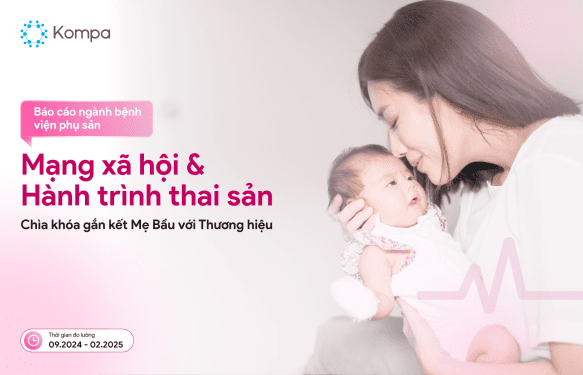
In the context of social media reshaping consumer behavior, Kompa’s latest report analyzed more than 300,000 public discussions related to maternity hospital communications in Vietnam. The report not only provides an overall view of the market but also suggests effective communication strategies for healthcare brands to “hit the right note” in modern women’s emotional motherhood journey.
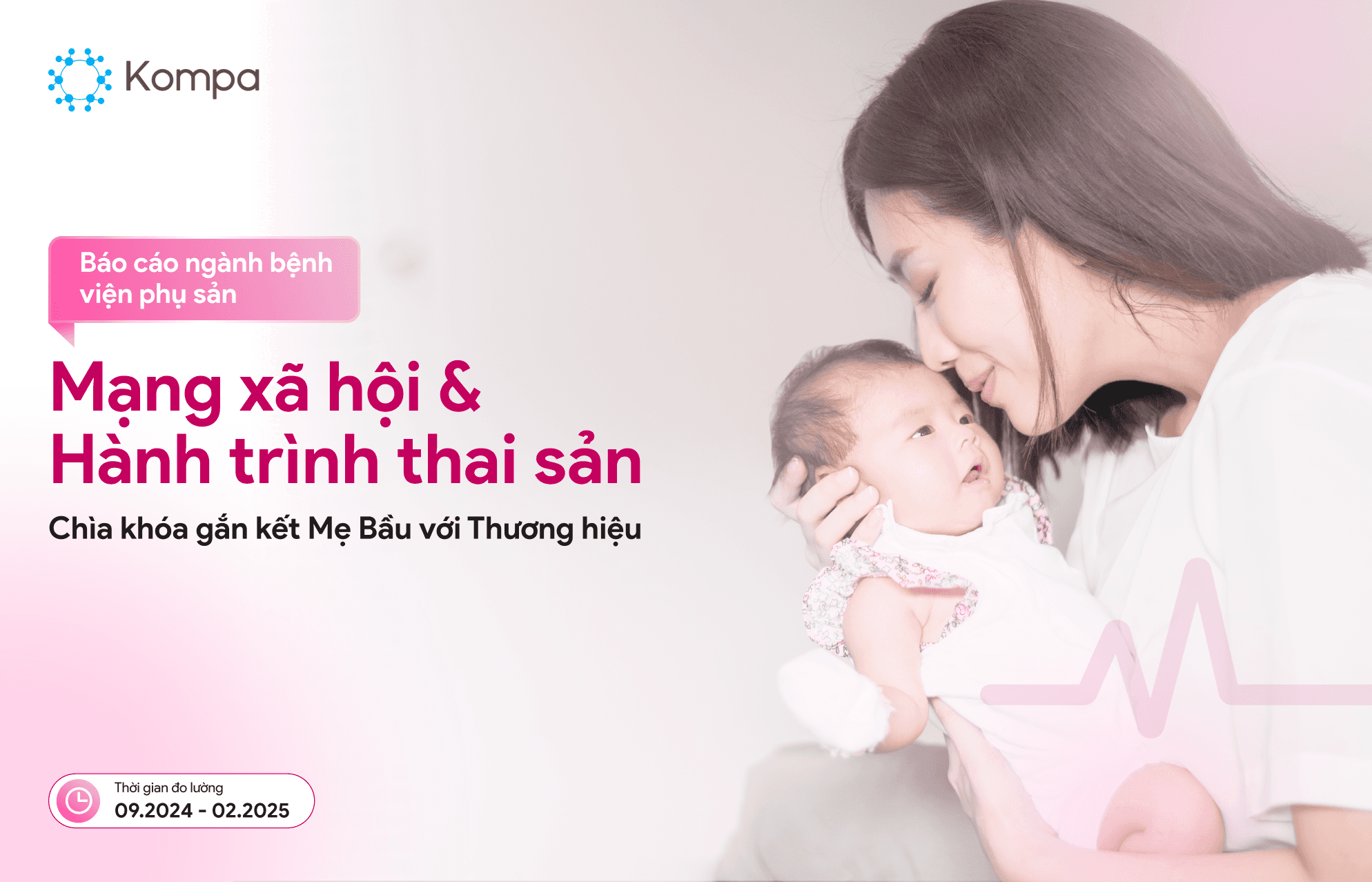
From the one “being cared for” to the one “leading the maternity journey”
One of the most important mindset shifts highlighted in the report is: pregnant women today are no longer passive participants in the childbirth journey, but proactive decision-makers who research, compare, and choose— from hospitals and doctors to delivery methods. They seek not only medical safety, but also emotional reassurance and community connection.
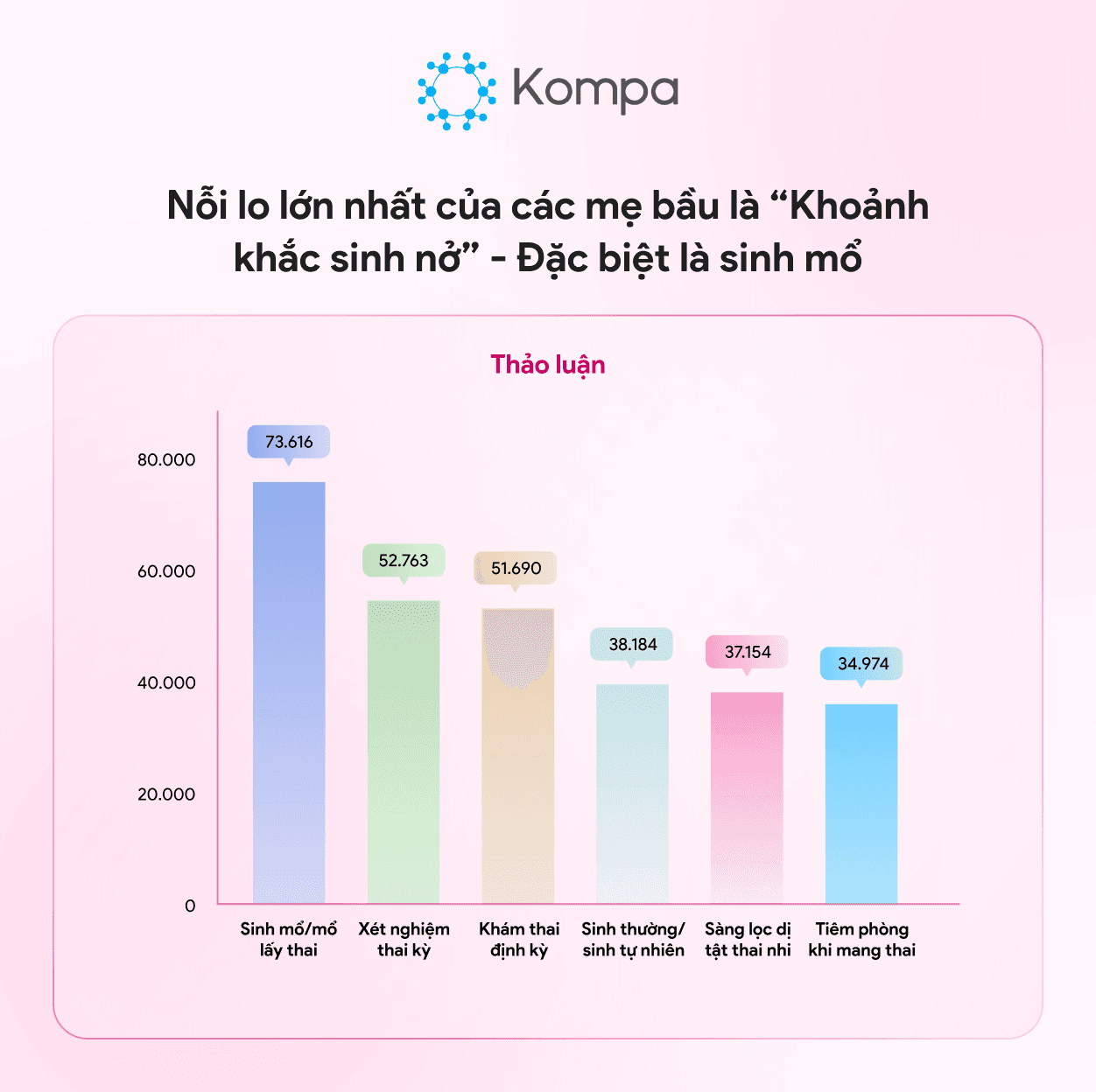
The topic of “C-section/delivery” accounts for 73,616 discussions, far surpassing other topics such as prenatal checkups, vaccinations, or tests.
The causes of anxiety are not only surgery, but also postpartum recovery, newborn care, and especially the psychological impact of not being able to have a natural birth.
This requires hospital brands not only to provide medical services but also to offer emotional support, reaching the silent insecurities of expectant mothers—especially during important transitional stages.
Gen Z is gradually “stepping into” the motherhood journey
Although accounting for only 24.5% of discussions, Gen Z has already begun showing early interest in the motherhood journey. They not only seek information on social media platforms, but are also a force capable of spreading content widely through TikTok, short videos, podcasts, and interactive formats.
Gen Z’s difference lies in proactive curiosity, high personalization, and valuing “real” community content over official advertisements. This is a strategic window of opportunity for hospitals if they know how to design suitable content and position themselves as a “smart companion” throughout pregnancy.
Emotional touchpoints along the pregnancy journey – A new growth strategy for Brands
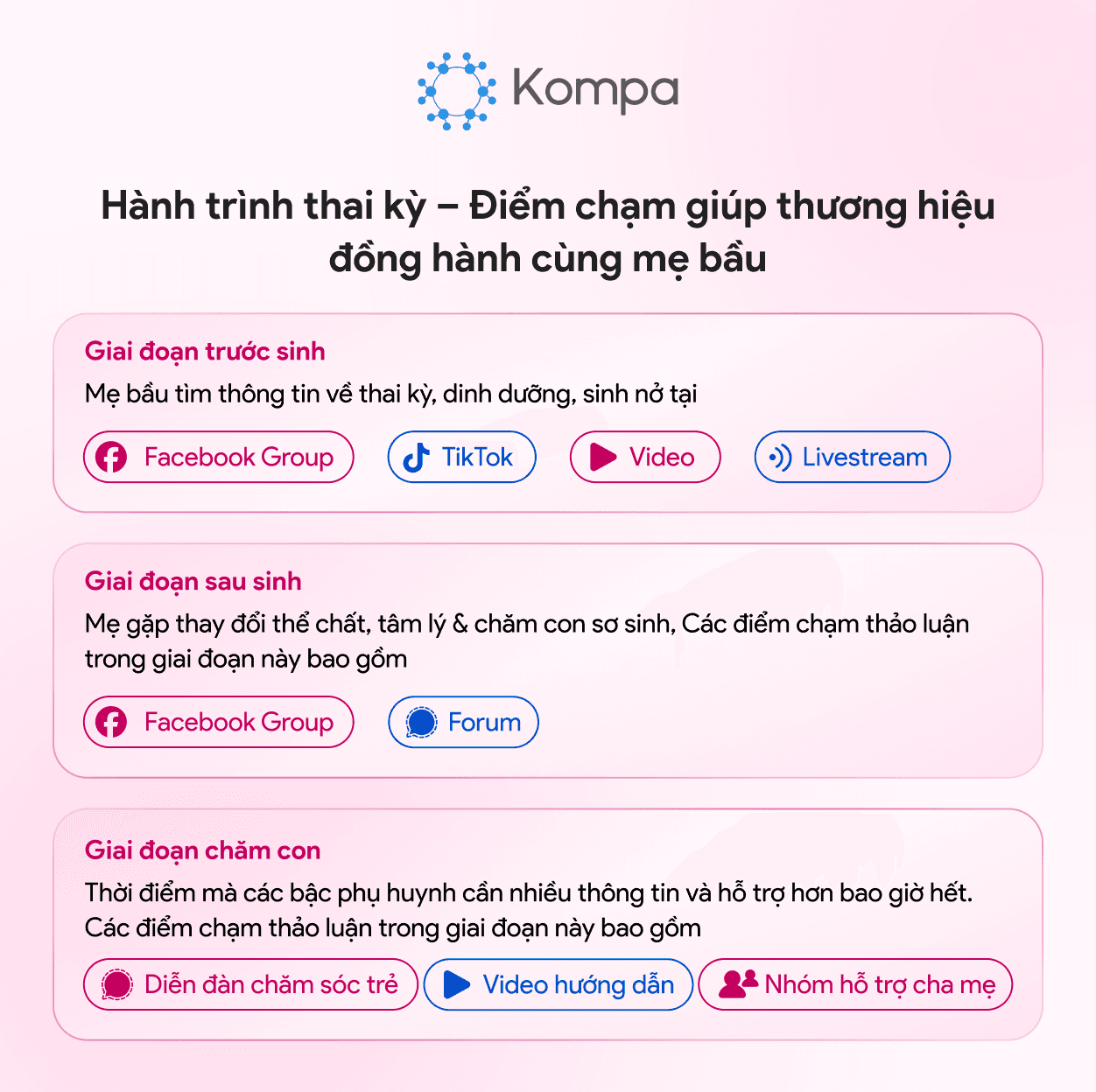
Brands that communicate effectively at emotional touchpoints during pregnancy will achieve strong reach and sustain long-term positive sentiment in the expectant mother community. From AIH and Hạnh Phúc to Hùng Vương, each hospital has a different approach—but the common points are:
They appear exactly where expectant mothers are discussing: Facebook Groups, TikTok, forums…
They deliver messages in the community’s voice: celebrities sharing childbirth journeys, doctors consulting via livestreams, mothers recounting real experiences.
They maintain high positive sentiment ratios (NSR): Hạnh Phúc reaches 94%, AIH reaches 87%.
This is clear evidence that brand trust does not come from advertising, but from emotional diffusion
Conclusion: Healthcare communication for pregnant women – A journey of empathy with expectant mothers
For expectant mothers, social media is not only a place to find information—but also where they seek reassurance, companionship, and understanding. And only when a brand can listen deeply, show up at the right time, and speak the language of emotions can it turn interest into choice—and choice into long-term loyalty. Kompa believes data is not just numbers—but a compass that helps brands move in the right direction on this deeply human journey.
This report is researched specifically for obstetrics hospital brands. Register now to receive the full detailed analytical data, including visual charts, a maternity journey discussion map, lists of channels, communities, KOLs, reputable doctors, and communication strategy recommendations by age group & emotional stage.
In the context of social media reshaping consumer behavior, Kompa’s latest report analyzed more than 300,000 public discussions related to maternity hospital communications in Vietnam. The report not only provides an overall view of the market but also suggests effective communication strategies for healthcare brands to “hit the right note” in modern women’s emotional motherhood journey.
From the one “being cared for” to the one “leading the maternity journey”
One of the most important mindset shifts highlighted in the report is: pregnant women today are no longer passive participants in the childbirth journey, but proactive decision-makers who research, compare, and choose— from hospitals and doctors to delivery methods. They seek not only medical safety, but also emotional reassurance and community connection.
The topic of “C-section/delivery” accounts for 73,616 discussions, far surpassing other topics such as prenatal checkups, vaccinations, or tests.
The causes of anxiety are not only surgery, but also postpartum recovery, newborn care, and especially the psychological impact of not being able to have a natural birth.
This requires hospital brands not only to provide medical services but also to offer emotional support, reaching the silent insecurities of expectant mothers—especially during important transitional stages.
Gen Z is gradually “stepping into” the motherhood journey
Although accounting for only 24.5% of discussions, Gen Z has already begun showing early interest in the motherhood journey. They not only seek information on social media platforms, but are also a force capable of spreading content widely through TikTok, short videos, podcasts, and interactive formats.
Gen Z’s difference lies in proactive curiosity, high personalization, and valuing “real” community content over official advertisements. This is a strategic window of opportunity for hospitals if they know how to design suitable content and position themselves as a “smart companion” throughout pregnancy.
Emotional touchpoints along the pregnancy journey – A new growth strategy for Brands
Brands that communicate effectively at emotional touchpoints during pregnancy will achieve strong reach and sustain long-term positive sentiment in the expectant mother community. From AIH and Hạnh Phúc to Hùng Vương, each hospital has a different approach—but the common points are:
They appear exactly where expectant mothers are discussing: Facebook Groups, TikTok, forums…
They deliver messages in the community’s voice: celebrities sharing childbirth journeys, doctors consulting via livestreams, mothers recounting real experiences.
They maintain high positive sentiment ratios (NSR): Hạnh Phúc reaches 94%, AIH reaches 87%.
This is clear evidence that brand trust does not come from advertising, but from emotional diffusion
Conclusion: Healthcare communication for pregnant women – A journey of empathy with expectant mothers
For expectant mothers, social media is not only a place to find information—but also where they seek reassurance, companionship, and understanding. And only when a brand can listen deeply, show up at the right time, and speak the language of emotions can it turn interest into choice—and choice into long-term loyalty. Kompa believes data is not just numbers—but a compass that helps brands move in the right direction on this deeply human journey.
This report is researched specifically for obstetrics hospital brands. Register now to receive the full detailed analytical data, including visual charts, a maternity journey discussion map, lists of channels, communities, KOLs, reputable doctors, and communication strategy recommendations by age group & emotional stage.
In the context of social media reshaping consumer behavior, Kompa’s latest report analyzed more than 300,000 public discussions related to maternity hospital communications in Vietnam. The report not only provides an overall view of the market but also suggests effective communication strategies for healthcare brands to “hit the right note” in modern women’s emotional motherhood journey.
From the one “being cared for” to the one “leading the maternity journey”
One of the most important mindset shifts highlighted in the report is: pregnant women today are no longer passive participants in the childbirth journey, but proactive decision-makers who research, compare, and choose— from hospitals and doctors to delivery methods. They seek not only medical safety, but also emotional reassurance and community connection.
The topic of “C-section/delivery” accounts for 73,616 discussions, far surpassing other topics such as prenatal checkups, vaccinations, or tests.
The causes of anxiety are not only surgery, but also postpartum recovery, newborn care, and especially the psychological impact of not being able to have a natural birth.
This requires hospital brands not only to provide medical services but also to offer emotional support, reaching the silent insecurities of expectant mothers—especially during important transitional stages.
Gen Z is gradually “stepping into” the motherhood journey
Although accounting for only 24.5% of discussions, Gen Z has already begun showing early interest in the motherhood journey. They not only seek information on social media platforms, but are also a force capable of spreading content widely through TikTok, short videos, podcasts, and interactive formats.
Gen Z’s difference lies in proactive curiosity, high personalization, and valuing “real” community content over official advertisements. This is a strategic window of opportunity for hospitals if they know how to design suitable content and position themselves as a “smart companion” throughout pregnancy.
Emotional touchpoints along the pregnancy journey – A new growth strategy for Brands
Brands that communicate effectively at emotional touchpoints during pregnancy will achieve strong reach and sustain long-term positive sentiment in the expectant mother community. From AIH and Hạnh Phúc to Hùng Vương, each hospital has a different approach—but the common points are:
They appear exactly where expectant mothers are discussing: Facebook Groups, TikTok, forums…
They deliver messages in the community’s voice: celebrities sharing childbirth journeys, doctors consulting via livestreams, mothers recounting real experiences.
They maintain high positive sentiment ratios (NSR): Hạnh Phúc reaches 94%, AIH reaches 87%.
This is clear evidence that brand trust does not come from advertising, but from emotional diffusion
Conclusion: Healthcare communication for pregnant women – A journey of empathy with expectant mothers
For expectant mothers, social media is not only a place to find information—but also where they seek reassurance, companionship, and understanding. And only when a brand can listen deeply, show up at the right time, and speak the language of emotions can it turn interest into choice—and choice into long-term loyalty. Kompa believes data is not just numbers—but a compass that helps brands move in the right direction on this deeply human journey.
This report is researched specifically for obstetrics hospital brands. Register now to receive the full detailed analytical data, including visual charts, a maternity journey discussion map, lists of channels, communities, KOLs, reputable doctors, and communication strategy recommendations by age group & emotional stage.
You might be interested
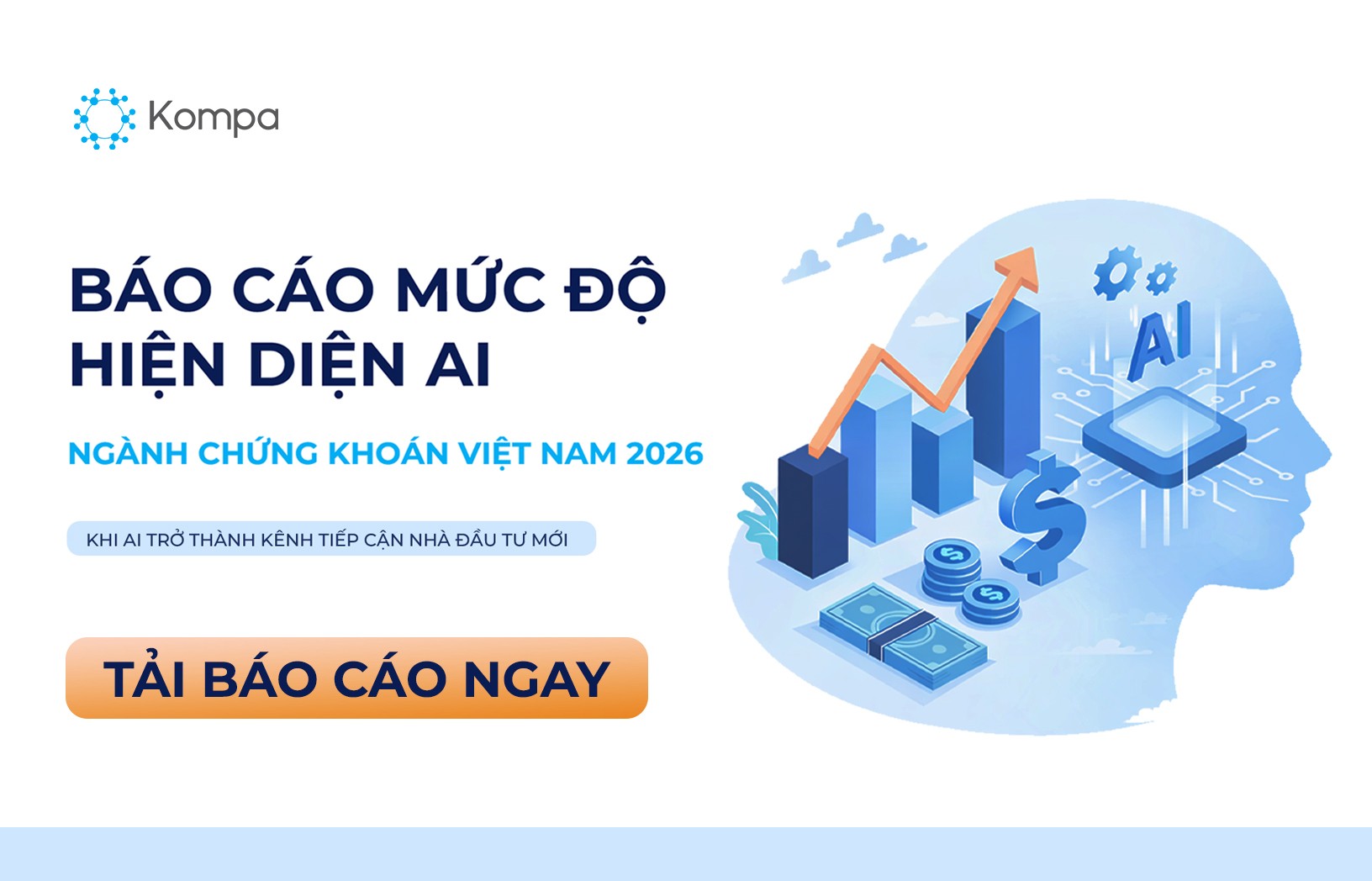
Vietnam’s securities industry – when AI begins to shape investor behavior
Vietnam’s securities industry – when AI begins to shape investor behavior
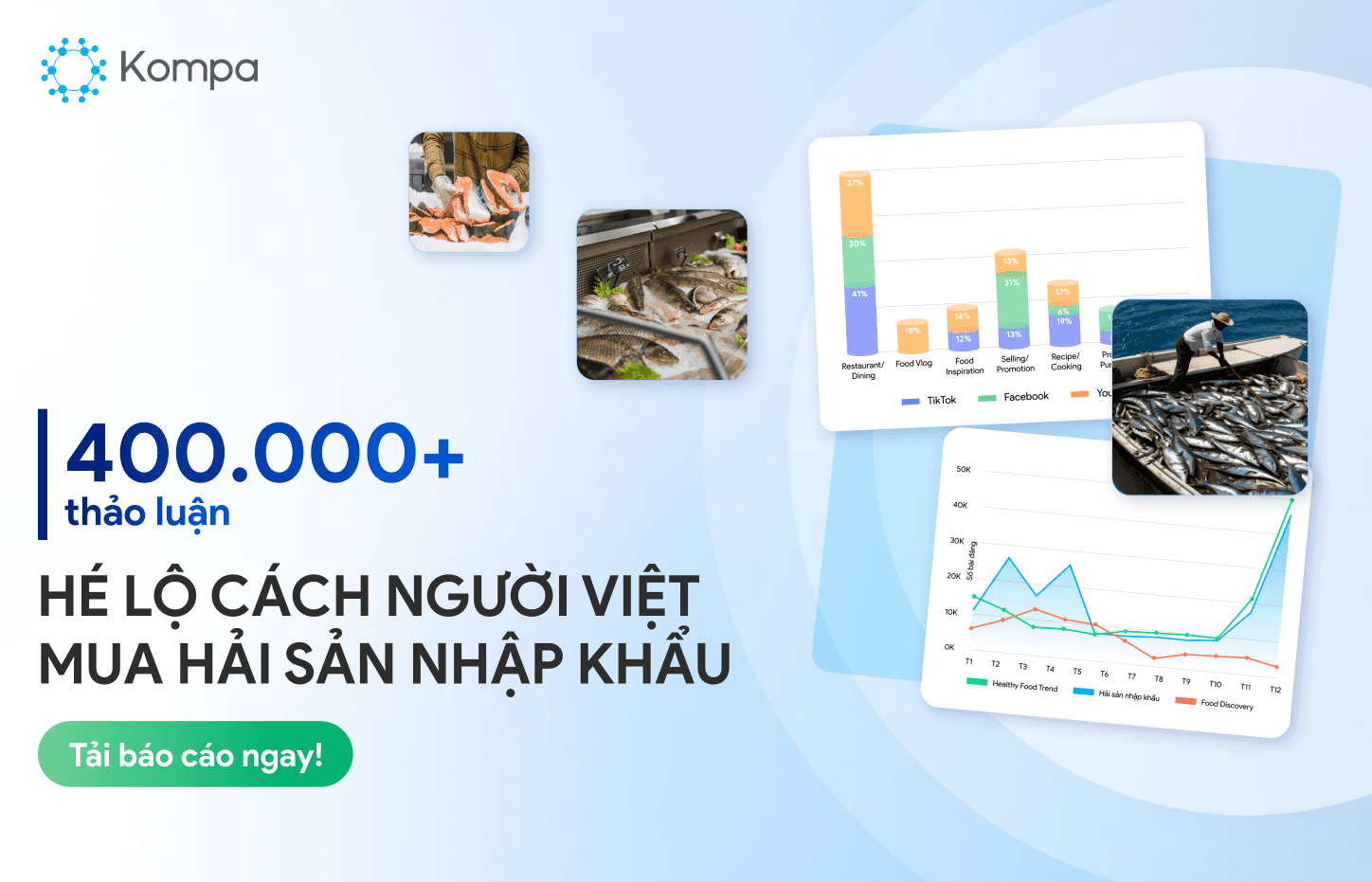
Imported food industry - decoding Vietnamese consumer behavior
Imported food industry - decoding Vietnamese consumer behavior

[Case Study] How leading brands measure campaign effectiveness
[Case Study] How leading brands measure campaign effectiveness
The mid-2025 box office race: Who is redefining the audience experience?
The mid-2025 box office race: Who is redefining the audience experience?
The 2025 cosmetics market amid a wave of counterfeit goods: What do brands need to do to earn consumers' trust?
The 2025 cosmetics market amid a wave of counterfeit goods: What do brands need to do to earn consumers' trust?
Sign up to receive reports
Sign up to receive reports
Sign up to receive reports


From Social Listening to AI Data Intelligence:
Helping businesses make smart, fast, and comprehensive decisions.
Hotline: 098.130.6460 (Kompa Sales)
Contact for services, quotations, or media partnerships: info@kompa.ai






Copyright © 2025 Kompa.
All Rights Reserved
From Social Listening to AI Data Intelligence:
Helping businesses make smart, fast, and comprehensive decisions.
Hotline: 098.130.6460 (Kompa Sales)
Contact for services, quotations, or media partnerships: info@kompa.ai
Copyright © 2025 Kompa.
All Rights Reserved
From Social Listening to AI Data Intelligence:
Helping businesses make smart, fast, and comprehensive decisions.
Hotline: 098.130.6460 (Kompa Sales)
Contact for services, quotations, or media partnerships: info@kompa.ai
Copyright © 2025 Kompa.
All Rights Reserved