Vietnamese cooking trends: The kitchen becomes the center of culture & health
Vietnamese cooking trends: The kitchen becomes the center of culture & health
Vietnamese cooking trends: The kitchen becomes the center of culture & health
|
Analytics
Analytics

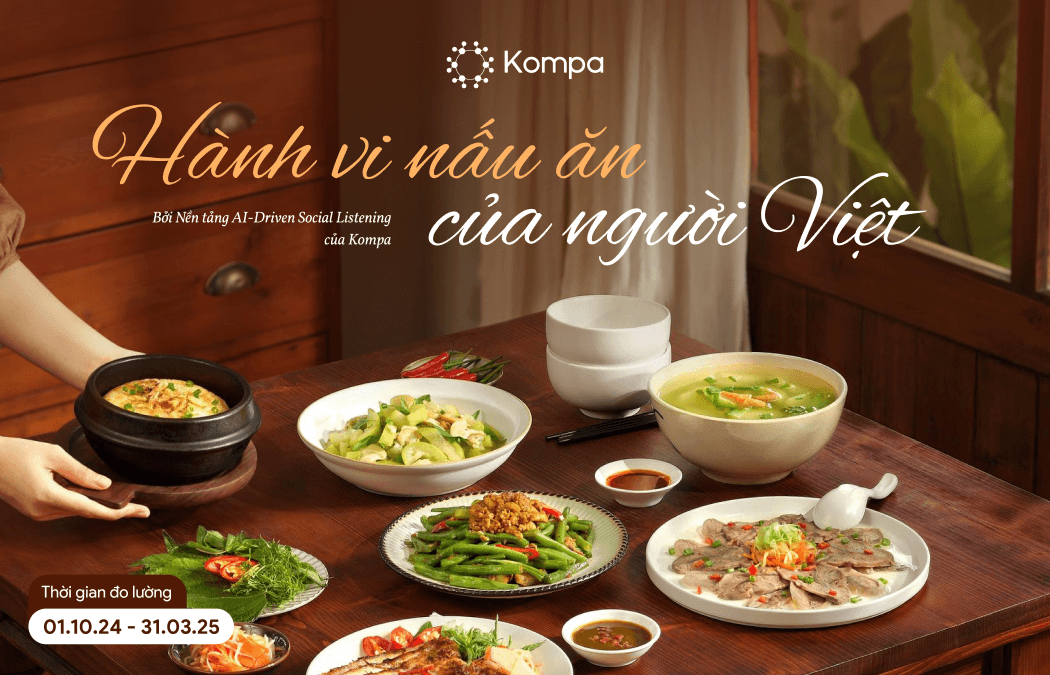
A quiet yet powerful shift has taken place in modern Vietnamese life—the return of the family kitchen. With more than 1.9 million discussions recorded across social media platforms, a report from Kompa, in collaboration with Wisesight—Thailand’s leading data analytics company—has uncovered prominent trends in Vietnamese cooking behavior. The report not only reflects a redefinition of healthy living and cultural connection through home meals, but also provides important practical data for brands in the food, seasoning, and FMCG industries.
Below are analyses revealing the full picture of cooking trends and new marketing opportunities for brands.
The rise of healthy and economical meals
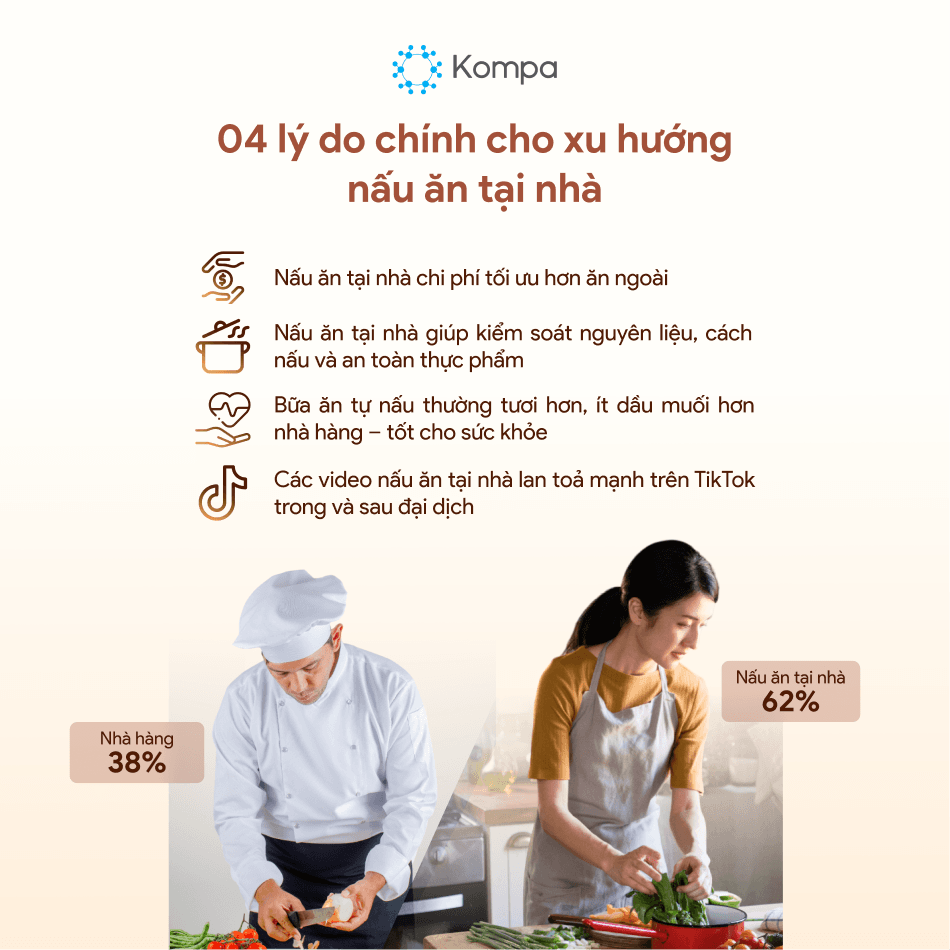
More than 62% of Vietnamese people on social media say they cook at home regularly—a significantly higher figure compared to the 38% who choose to eat out, showing a clear shift in consumer behavior after the pandemic. Cooking is no longer driven solely by cost-saving reasons, but is gradually becoming an expression of a healthy and proactive lifestyle.
The report identified 4 main drivers, in which controlling ingredients, cooking methods, and ensuring food safety is the second most prominent factor, after cost savings. In addition, frequently appearing keywords related to home cooking include “Health,” “Quality,” “Ingredients,” and “Safety”—clearly showing that consumers care about taking control of their meals, not just satisfying hunger.
The TikTok platform has helped spread this trend by creating a cooking-loving community where recipes and kitchen tips have become “hot” content.
The surge in discussions during holidays such as Lunar New Year (140,500 mentions in 9 days) and Christmas (37,346 mentions) also shows that cooking is how Vietnamese people maintain family reunion traditions and distinctive culinary culture across generations. This is when traditional dishes such as bánh chưng, braised pork with eggs, bitter melon soup, etc. are mentioned the most.
Vietnamese cuisine in the modern kitchen: Balancing nutrition and preserving flavor
The picture of modern Vietnamese family meals shows a clear balance between meat and vegetables, with mention rates nearly equal (about 50/50), reflecting growing awareness of health and nutrition.
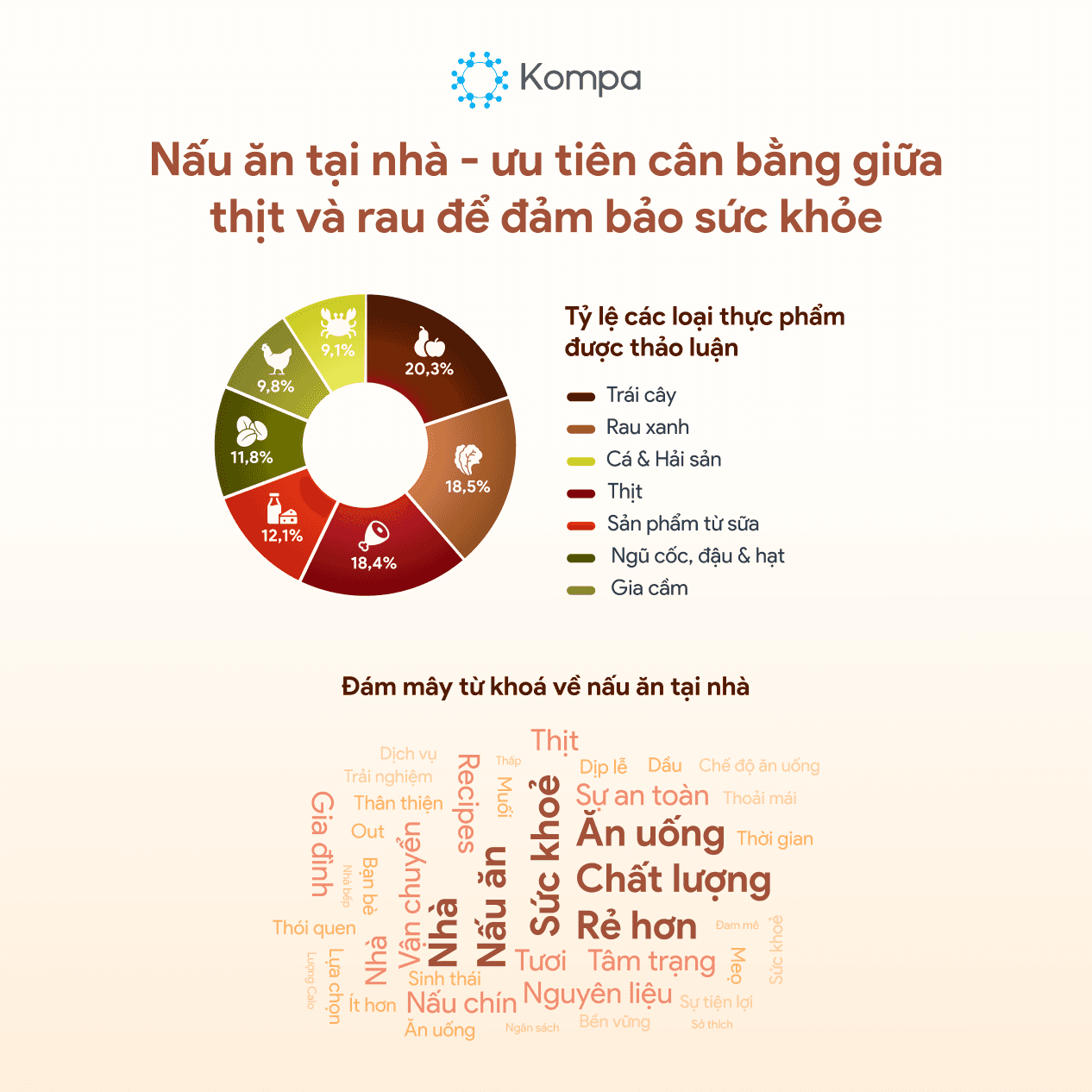
Vietnamese people remain loyal to familiar ingredients such as pork, chicken, fish, leafy greens, and legumes, but they also demand healthier preparation methods. This is shown by the fact that traditional methods such as braising and stewing account for 44% of discussions—far surpassing quick methods like frying, stir-frying, or boiling. Dishes such as pepper-braised fish (1.78 million mentions) and braised pork (1.61 million mentions) continue to be the “soul” of Vietnamese meals, not only because of their rich flavor, but also because of their convenience and good preservation. At the same time, the 6 most popular seasonings—from fish sauce and salt to shallots, garlic, and pepper—create a distinct culinary identity, where the balance of salty-sweet and sour-spicy is not only a taste preference but also an expression of a warm, close-knit, and highly inherited lifestyle within the yin-yang and five-elements balanced culinary culture of every Vietnamese kitchen.
Brand strategy – reference suggestions from new consumer habits
Based on report data showing that 62% of social media users choose to cook at home instead of eating out, several strategic suggestions can be drawn to help food brands effectively leverage new Vietnamese consumer behavior.
Product development
Expand seasoning and convenient food portfolios suited to braising – stewing – cooking tastes, which account for up to 44% of discussions on cooking methods.
Focus on ready-to-cook product lines with traditional flavors, but designed to be convenient and healthy.
Address the need to save time while still preserving the spirit of “home-cooked meals” in modern Vietnamese dining.
Brand communication
Deeply tap into family emotion and cultural identity in home-cooking behavior.
Leverage short-video platforms like TikTok, YouTube Shorts, and Reels to spread recipes and kitchen tips through everyday KOCs to create closeness and trust.
Integrate community-oriented content such as:
Campaigns honoring traditional dishes
Education on nutrition and healthy eating habits
Reviving old family or regional recipes
Position the brand as a “guardian of Vietnamese culinary culture,” thereby:
Create differentiation in the market
Inspire national pride
Strengthen long-term emotional connections with consumers
The return of the Vietnamese kitchen not only reflects a post-pandemic consumer habit, but also opens opportunities for brands to connect with the emotions, identity, and lifestyle of modern consumers. When home meals become the center of health and culture, the brand that understands this will earn a lasting place in the hearts of Vietnamese people.
Follow Kompa so you don’t miss the latest insight reports, continuously updated on Vietnamese consumer behavior and trends—a solid data foundation for effective and differentiated brand strategy.
A quiet yet powerful shift has taken place in modern Vietnamese life—the return of the family kitchen. With more than 1.9 million discussions recorded across social media platforms, a report from Kompa, in collaboration with Wisesight—Thailand’s leading data analytics company—has uncovered prominent trends in Vietnamese cooking behavior. The report not only reflects a redefinition of healthy living and cultural connection through home meals, but also provides important practical data for brands in the food, seasoning, and FMCG industries.
Below are analyses revealing the full picture of cooking trends and new marketing opportunities for brands.
The rise of healthy and economical meals
More than 62% of Vietnamese people on social media say they cook at home regularly—a significantly higher figure compared to the 38% who choose to eat out, showing a clear shift in consumer behavior after the pandemic. Cooking is no longer driven solely by cost-saving reasons, but is gradually becoming an expression of a healthy and proactive lifestyle.
The report identified 4 main drivers, in which controlling ingredients, cooking methods, and ensuring food safety is the second most prominent factor, after cost savings. In addition, frequently appearing keywords related to home cooking include “Health,” “Quality,” “Ingredients,” and “Safety”—clearly showing that consumers care about taking control of their meals, not just satisfying hunger.
The TikTok platform has helped spread this trend by creating a cooking-loving community where recipes and kitchen tips have become “hot” content.
The surge in discussions during holidays such as Lunar New Year (140,500 mentions in 9 days) and Christmas (37,346 mentions) also shows that cooking is how Vietnamese people maintain family reunion traditions and distinctive culinary culture across generations. This is when traditional dishes such as bánh chưng, braised pork with eggs, bitter melon soup, etc. are mentioned the most.
Vietnamese cuisine in the modern kitchen: Balancing nutrition and preserving flavor
The picture of modern Vietnamese family meals shows a clear balance between meat and vegetables, with mention rates nearly equal (about 50/50), reflecting growing awareness of health and nutrition.
Vietnamese people remain loyal to familiar ingredients such as pork, chicken, fish, leafy greens, and legumes, but they also demand healthier preparation methods. This is shown by the fact that traditional methods such as braising and stewing account for 44% of discussions—far surpassing quick methods like frying, stir-frying, or boiling. Dishes such as pepper-braised fish (1.78 million mentions) and braised pork (1.61 million mentions) continue to be the “soul” of Vietnamese meals, not only because of their rich flavor, but also because of their convenience and good preservation. At the same time, the 6 most popular seasonings—from fish sauce and salt to shallots, garlic, and pepper—create a distinct culinary identity, where the balance of salty-sweet and sour-spicy is not only a taste preference but also an expression of a warm, close-knit, and highly inherited lifestyle within the yin-yang and five-elements balanced culinary culture of every Vietnamese kitchen.
Brand strategy – reference suggestions from new consumer habits
Based on report data showing that 62% of social media users choose to cook at home instead of eating out, several strategic suggestions can be drawn to help food brands effectively leverage new Vietnamese consumer behavior.
Product development
Expand seasoning and convenient food portfolios suited to braising – stewing – cooking tastes, which account for up to 44% of discussions on cooking methods.
Focus on ready-to-cook product lines with traditional flavors, but designed to be convenient and healthy.
Address the need to save time while still preserving the spirit of “home-cooked meals” in modern Vietnamese dining.
Brand communication
Deeply tap into family emotion and cultural identity in home-cooking behavior.
Leverage short-video platforms like TikTok, YouTube Shorts, and Reels to spread recipes and kitchen tips through everyday KOCs to create closeness and trust.
Integrate community-oriented content such as:
Campaigns honoring traditional dishes
Education on nutrition and healthy eating habits
Reviving old family or regional recipes
Position the brand as a “guardian of Vietnamese culinary culture,” thereby:
Create differentiation in the market
Inspire national pride
Strengthen long-term emotional connections with consumers
The return of the Vietnamese kitchen not only reflects a post-pandemic consumer habit, but also opens opportunities for brands to connect with the emotions, identity, and lifestyle of modern consumers. When home meals become the center of health and culture, the brand that understands this will earn a lasting place in the hearts of Vietnamese people.
Follow Kompa so you don’t miss the latest insight reports, continuously updated on Vietnamese consumer behavior and trends—a solid data foundation for effective and differentiated brand strategy.
A quiet yet powerful shift has taken place in modern Vietnamese life—the return of the family kitchen. With more than 1.9 million discussions recorded across social media platforms, a report from Kompa, in collaboration with Wisesight—Thailand’s leading data analytics company—has uncovered prominent trends in Vietnamese cooking behavior. The report not only reflects a redefinition of healthy living and cultural connection through home meals, but also provides important practical data for brands in the food, seasoning, and FMCG industries.
Below are analyses revealing the full picture of cooking trends and new marketing opportunities for brands.
The rise of healthy and economical meals
More than 62% of Vietnamese people on social media say they cook at home regularly—a significantly higher figure compared to the 38% who choose to eat out, showing a clear shift in consumer behavior after the pandemic. Cooking is no longer driven solely by cost-saving reasons, but is gradually becoming an expression of a healthy and proactive lifestyle.
The report identified 4 main drivers, in which controlling ingredients, cooking methods, and ensuring food safety is the second most prominent factor, after cost savings. In addition, frequently appearing keywords related to home cooking include “Health,” “Quality,” “Ingredients,” and “Safety”—clearly showing that consumers care about taking control of their meals, not just satisfying hunger.
The TikTok platform has helped spread this trend by creating a cooking-loving community where recipes and kitchen tips have become “hot” content.
The surge in discussions during holidays such as Lunar New Year (140,500 mentions in 9 days) and Christmas (37,346 mentions) also shows that cooking is how Vietnamese people maintain family reunion traditions and distinctive culinary culture across generations. This is when traditional dishes such as bánh chưng, braised pork with eggs, bitter melon soup, etc. are mentioned the most.
Vietnamese cuisine in the modern kitchen: Balancing nutrition and preserving flavor
The picture of modern Vietnamese family meals shows a clear balance between meat and vegetables, with mention rates nearly equal (about 50/50), reflecting growing awareness of health and nutrition.
Vietnamese people remain loyal to familiar ingredients such as pork, chicken, fish, leafy greens, and legumes, but they also demand healthier preparation methods. This is shown by the fact that traditional methods such as braising and stewing account for 44% of discussions—far surpassing quick methods like frying, stir-frying, or boiling. Dishes such as pepper-braised fish (1.78 million mentions) and braised pork (1.61 million mentions) continue to be the “soul” of Vietnamese meals, not only because of their rich flavor, but also because of their convenience and good preservation. At the same time, the 6 most popular seasonings—from fish sauce and salt to shallots, garlic, and pepper—create a distinct culinary identity, where the balance of salty-sweet and sour-spicy is not only a taste preference but also an expression of a warm, close-knit, and highly inherited lifestyle within the yin-yang and five-elements balanced culinary culture of every Vietnamese kitchen.
Brand strategy – reference suggestions from new consumer habits
Based on report data showing that 62% of social media users choose to cook at home instead of eating out, several strategic suggestions can be drawn to help food brands effectively leverage new Vietnamese consumer behavior.
Product development
Expand seasoning and convenient food portfolios suited to braising – stewing – cooking tastes, which account for up to 44% of discussions on cooking methods.
Focus on ready-to-cook product lines with traditional flavors, but designed to be convenient and healthy.
Address the need to save time while still preserving the spirit of “home-cooked meals” in modern Vietnamese dining.
Brand communication
Deeply tap into family emotion and cultural identity in home-cooking behavior.
Leverage short-video platforms like TikTok, YouTube Shorts, and Reels to spread recipes and kitchen tips through everyday KOCs to create closeness and trust.
Integrate community-oriented content such as:
Campaigns honoring traditional dishes
Education on nutrition and healthy eating habits
Reviving old family or regional recipes
Position the brand as a “guardian of Vietnamese culinary culture,” thereby:
Create differentiation in the market
Inspire national pride
Strengthen long-term emotional connections with consumers
The return of the Vietnamese kitchen not only reflects a post-pandemic consumer habit, but also opens opportunities for brands to connect with the emotions, identity, and lifestyle of modern consumers. When home meals become the center of health and culture, the brand that understands this will earn a lasting place in the hearts of Vietnamese people.
Follow Kompa so you don’t miss the latest insight reports, continuously updated on Vietnamese consumer behavior and trends—a solid data foundation for effective and differentiated brand strategy.
You might be interested

Vietnam’s securities industry – when AI begins to shape investor behavior
Vietnam’s securities industry – when AI begins to shape investor behavior
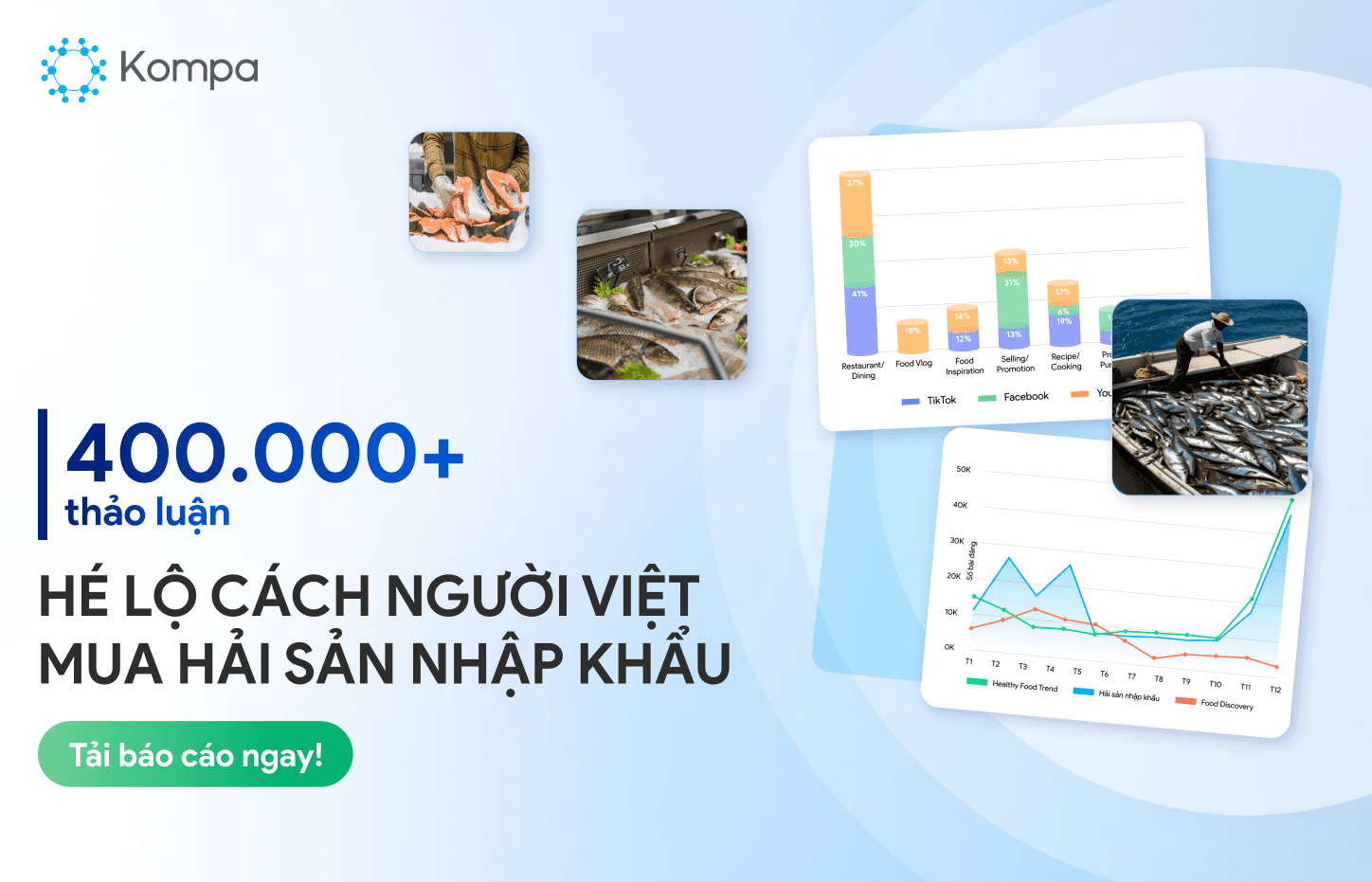
Imported food industry - decoding Vietnamese consumer behavior
Imported food industry - decoding Vietnamese consumer behavior

[Case Study] How leading brands measure campaign effectiveness
[Case Study] How leading brands measure campaign effectiveness

The mid-2025 box office race: Who is redefining the audience experience?
The mid-2025 box office race: Who is redefining the audience experience?
The 2025 cosmetics market amid a wave of counterfeit goods: What do brands need to do to earn consumers' trust?
The 2025 cosmetics market amid a wave of counterfeit goods: What do brands need to do to earn consumers' trust?
Sign up to receive reports
Sign up to receive reports
Sign up to receive reports


From Social Listening to AI Data Intelligence:
Helping businesses make smart, fast, and comprehensive decisions.
Hotline: 098.130.6460 (Kompa Sales)
Contact for services, quotations, or media partnerships: info@kompa.ai






Copyright © 2025 Kompa.
All Rights Reserved
From Social Listening to AI Data Intelligence:
Helping businesses make smart, fast, and comprehensive decisions.
Hotline: 098.130.6460 (Kompa Sales)
Contact for services, quotations, or media partnerships: info@kompa.ai
Copyright © 2025 Kompa.
All Rights Reserved
From Social Listening to AI Data Intelligence:
Helping businesses make smart, fast, and comprehensive decisions.
Hotline: 098.130.6460 (Kompa Sales)
Contact for services, quotations, or media partnerships: info@kompa.ai
Copyright © 2025 Kompa.
All Rights Reserved