In many organizations, market data is primarily used to answer one question: What happened?
Periodic reports show whether conversation volume increased or decreased, which trends are gaining attention, and how frequently a brand is being mentioned. However, as consumer behavior continues to evolve rapidly, simply understanding what has already happened is no longer enough.
The more important question is: What will happen next?
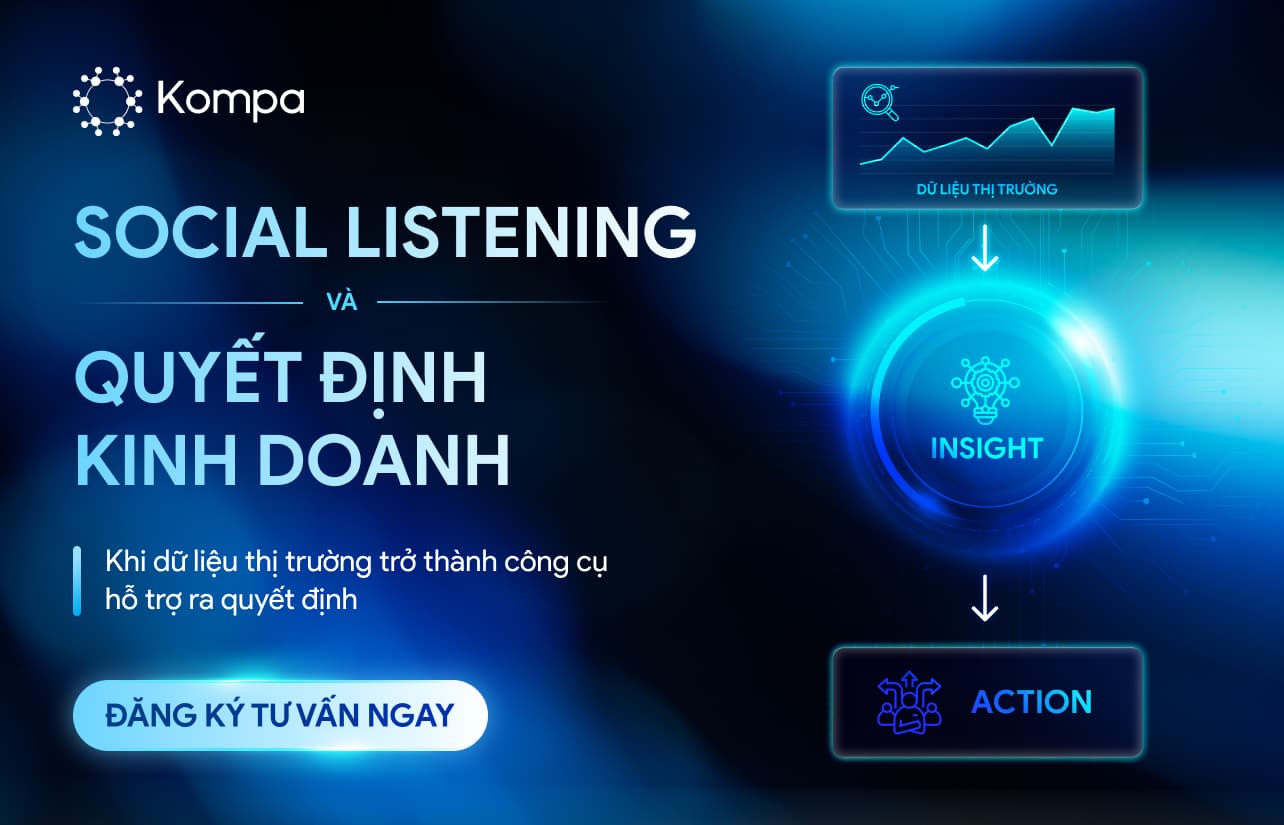
This is why Social Listening is increasingly being recognized as a tool for supporting business decision-making, rather than simply a platform for monitoring communications.
Markets Move Faster Than Reports
Today, most shifts in consumer needs, preferences, and expectations first emerge on digital platforms.
Customers share product experiences, discuss emerging trends, compare brands, and express unmet needs. Every conversation leaves behind a data trail.
When analyzed at scale, these conversations can reveal meaningful shifts in the market.
The challenge is that many businesses only act on these signals once they have already become established trends or begun affecting business performance.
Leading brands, meanwhile, are often those that can detect these signals earlier.
Market Insights Are Embedded in Consumer Behavior
Market trends do not emerge out of nowhere.
They are shaped by small changes in consumer behavior.
A topic being mentioned more frequently, a new need emerging within a community, or a recurring issue across conversations can all signal that the market is beginning to shift.
This is where Social Listening becomes valuable.
Rather than simply tracking conversation volume, businesses can understand:
What consumers are paying attention to
Which topics are growing the fastest
Which issues are affecting customer experience
What factors are driving or preventing purchase decisions
When these signals are identified early enough, businesses can make more informed and timely decisions.
Case Study: When Rising Conversation Volume Signals a Potential Risk
Imagine an F&B brand launching a new product.
Following the campaign, social media conversation volume rises sharply. Media monitoring reports show that the brand is being mentioned significantly more than before.
If the business looks only at the number of mentions, this may appear to be a positive outcome.
However, deeper Social Listening analysis reveals that negative sentiment is also increasing.
Consumers are not criticizing the campaign itself. Instead, they are discussing product quality, service times, and their actual in-store experiences.
This leads to an important insight:
Market interest is increasing, but the customer experience is failing to keep pace with expectations.
If the business only looks at communications metrics, this issue could easily be overlooked.
By detecting it early through Social Listening, however, the brand has an opportunity to address the underlying problems before negative feedback begins affecting brand perception or sales.
How Does Social Listening Support Business Decisions?
The greatest value of Social Listening does not lie in the data itself.
It lies in the decisions made from that data.
By monitoring and analyzing market trends, businesses can:
Refine Product Strategy
Identify emerging needs and unmet demands in the market.
Optimize Customer Experience
Detect recurring issues in consumer feedback and identify the touchpoints that require improvement.
Improve Communications Strategy
Understand which topics are creating positive or negative impacts on the brand.
Identify Growth Opportunities
Spot emerging trends and market opportunities before competitors do.
From Data to Competitive Advantage
In today's business environment, data itself is no longer a differentiator.
What creates differentiation is the ability to interpret data and turn it into action.
Businesses that can understand the market faster are often better positioned to make smarter decisions.
Social Listening helps shorten the gap between the market and the business by transforming consumers' everyday conversations into strategic signals for business decision-making.
Kompa: Turning Market Data Into Business Decisions
At Kompa, Social Listening goes beyond simply monitoring conversations across social media.
The platform helps businesses analyze market trends, consumer behavior, sentiment, and the topics shaping purchase decisions.
By detecting opportunities and risks early through market data, Kompa helps businesses make decisions that are more accurate, faster, and grounded in real-world market evidence.
In a world where trends can change within days, competitive advantage is not about who has more data.
It is about who can understand the data faster - and act sooner.